Custom Online CNC Machining Services
- Custom metal and plastic fabrication services and quotes
- Rapid prototyping and production parts delivery
- Secure uploads, DFM feedback, and confidential supplier routing
- ISO 9001, ISO 13485, IATF 16949, and AS9100D capable network options
All uploads are secure and confidential
Custom CNC Machining Services:
Machining, Turning, Milling, and Routing
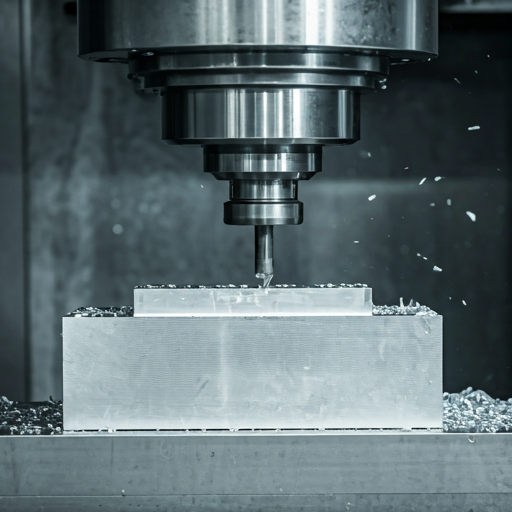
 Custom CNC Milling ServiceA subtractive manufacturing process that uses 3-axis milling and 5-axis indexed milling to cut solid plastic and metal blocks into final parts.View CNC Machining Service
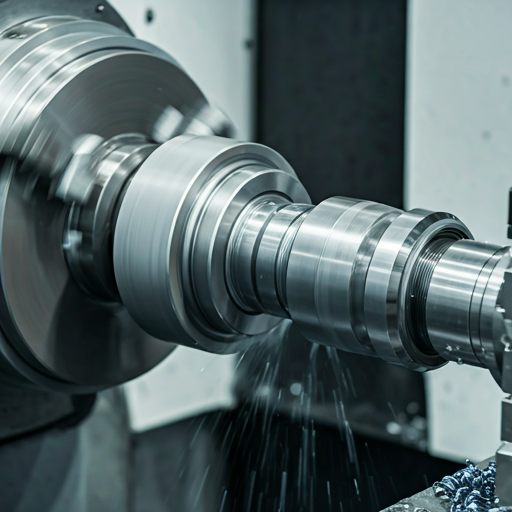
 Custom CNC Turning ServiceCNC turning with live tools combines lathe and milling functions for precise cylindrical features from metal bars and plastic stock.View CNC Turning Service
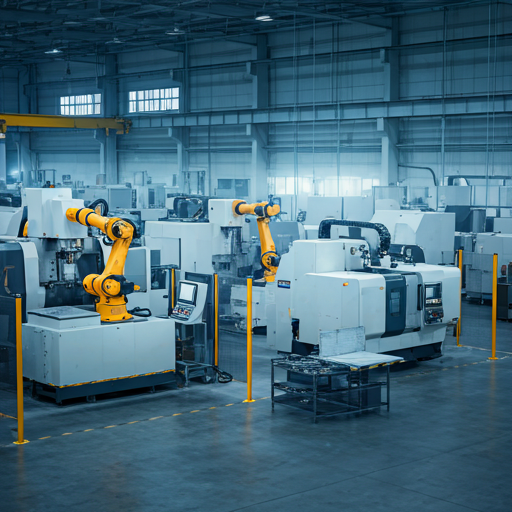
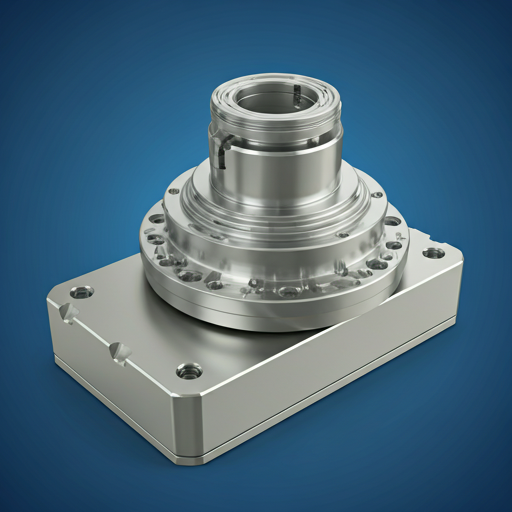 Aiketek NetworkOur East China manufacturing hub and verified production network support tighter tolerances, volume pricing, and surface finishing options.View Aiketek Network
Why Choose Aiketek for Custom CNC Machining?
Fast & Reliable Delivery
We offer quick-turn parts to accelerate design iteration and product development. Automated design analysis helps detect hard-to-machine features early.
Expert manufacturing engineering support
Engineers review uploaded 3D CAD files and drawings for manufacturability, process selection, material fit, and drawing-controlled requirements.
Unlimited capacity
Digital manufacturing workflows and verified supplier routing support prototypes, pilot builds, fixtures, and repeat CNC production.
Wide material selection
Choose from 30+ engineering-grade plastics and metals, including ABS, nylon, PEEK, aluminum, stainless steel, and more.
Advanced capabilities & cost efficiency
China-based manufacturing capacity enables competitive CNC pricing with tight tolerances, volume options, and surface finishes from prototyping to production.
What is CNC Machining?
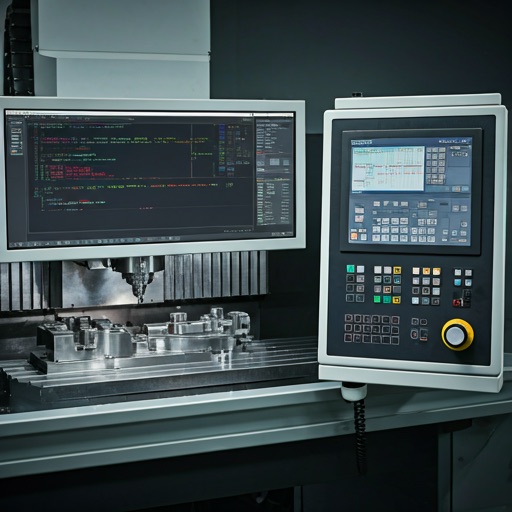
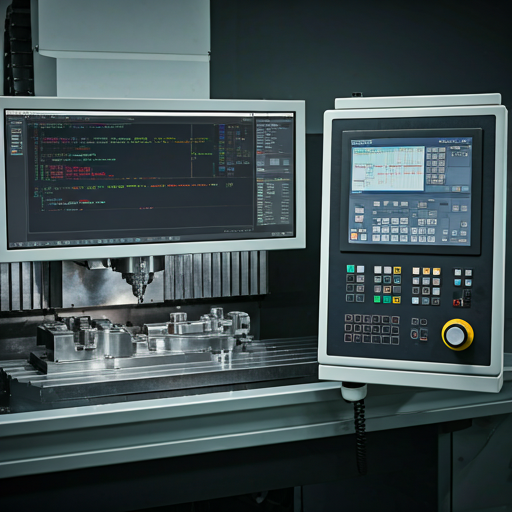
CNC (Computer Numerical Control) machining is an automated subtractive manufacturing process in which material is systematically removed from a solid block or rod to form a precise part. Guided by programmed G-code generated from a 3D CAD model, cutting tools shape the workpiece with high accuracy and repeatability.
Common CNC machines include 3-, 4-, and 5-axis mills, lathes, and engravers, which can operate with the tool moving, the workpiece rotating, or both in coordination.
How Does It Work & Its Advantages
CNC machining is controlled by skilled machinists who translate CAD designs into toolpaths, enabling versatile production approaches from single prototypes to mid-volume batches. Its key strengths include rapid turnaround, high precision across metals and rigid plastics, and flexible scalability without tooling investment.
- Ideal for aerospace, medical, robotics, and electronics.
- Support for over 40 materials including aluminum and PEEK.
- Integrated network in China for competitive pricing.
CNC Machining Tolerances & Specifications
| Specification Category | Details |
|---|---|
| Maximum Part Size | Milling:25.5" x 25.5" x 11.8" (650 mm x 650 mm x 300 mm) Turning:Length <= 62" (1,575 mm), Diameter <= 32" (813 mm) |
| Standard Lead Time | 5-7 business days for standard-complexity projects |
| Standard Tolerances (Metals) | +/-0.005" (approx. +/-0.13 mm), per ISO 2768 standard |
| Precision Tolerance Capability | Supports +/-0.001" (approx. +/-0.025 mm) and tighter tolerances, executed per drawing GD&T requirements |
| Surface Roughness (Standard) | 125 Ra as-machined finish, with higher-grade surface treatment options available |
- ABS
- Acetal
- CPVC
- Delrin
- HDPE
- Nylon (PA)
- PEEK
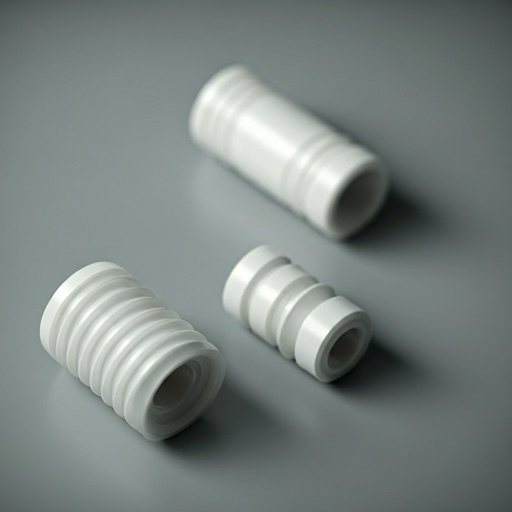
Nylon (PA)
Nylon provides high strength, wear resistance, and self-lubrication, but is hygroscopic and requires thorough drying before machining. It is widely used in gears, bearings, structural parts, and wear components.
- Aluminum
- Stainless Steel
- Carbon Steel
- Titanium
- Brass
- Copper
- Tool Steel
Aluminum
Placeholder material profile: aluminum is a common CNC metal for lightweight housings, brackets, fixtures, heat-transfer parts, and anodized components. It balances machinability, strength, finish quality, and cost.
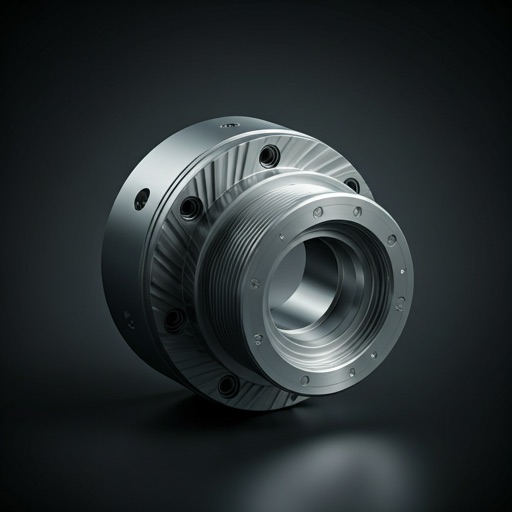
CNC Machining Surface Finishes
The fastest surface treatment option for most functional applications. Machined surfaces show visible tool marks, and burrs or sharp edges can be removed upon request. Standard surface roughness can reach Ra 3.2 (125 microin).
A uniform matte finish created by propelling fine media against the part surface. It reduces machining marks and prepares aluminum or steel parts for cosmetic or coating requirements.
An electrochemical aluminum finish that improves corrosion resistance and appearance. Type II and hard anodize options can be reviewed against part function, color, tolerance, and masking requirements.
CNC Machining Design Guidelines
| Design Feature | Industry-Optimized Guideline | Key Consideration |
|---|---|---|
| Internal Corner Fillets | Design radii 0.5-1.3 mm larger than standard drill bit diameter Depth-to-diameter ratio: <= 1:6 (<= 1:4 recommended) | Prevents tool deflection, improves chip evacuation, and reduces stress concentration |
| Floor Fillets | Floor fillets < 0.8x corner fillet radius | Enables the same tool to machine interior surfaces, reducing tool change time |
| Threaded Holes | Provide 1-1.5x thread diameter tool clearance below thread depth Minimum full thread depth: 1.5x nominal diameter | Prevents tool interference, ensures complete threads, and reduces tap breakage risk |
Get more tips with our complete design guide Learn more
CNC Machining FAQs
Traditional machining relies on skilled technicians manually operating machines. CNC machining is automated through computer programs, driving cutting, drilling, and milling from digital coordinates for higher repeatability and complex three-dimensional geometry.
CNC cost is driven by material, setup count, cycle time, tolerance, surface finish, inspection requirements, and quantity. Manufacturing options are configured in the quote flow before the submitted quote snapshot is locked.
Aiketek supports CNC milling, turning, mill-turn work, tight-tolerance drawing review, engineering plastics, metals, surface finishes, and inspection documentation through verified manufacturing capacity.