DMLS / SLM Builds
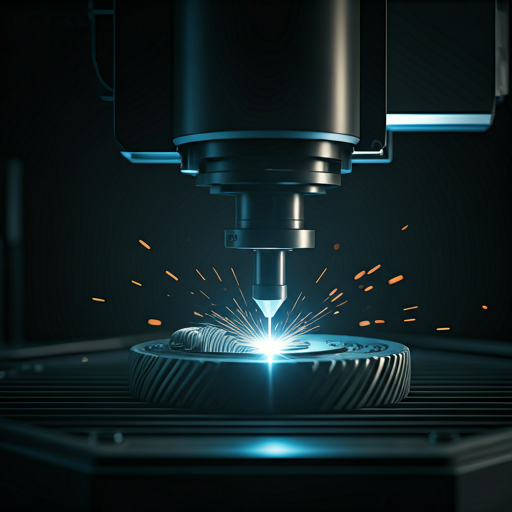
Laser-based metal powder fusion produces dense near-net-shape components from industrial alloys.
3D printing process
Metal additive manufacturing for complex industrial parts, lightweight structures, internal channels, and near-net-shape components.
Process overview
Each 3D printing process page follows the same review path: choose a process, upload part data, confirm material and finish needs, then lock the submitted quote snapshot before order confirmation.
Laser-based metal powder fusion produces dense near-net-shape components from industrial alloys.
Conformal cooling, hollow sections, and lattice features can reduce weight or improve thermal behavior.
Titanium, Inconel, stainless, and aluminum options support demanding prototype and production needs.
CNC finishing can control interfaces, threads, bores, flatness, and sealing faces after printing.
Lightweight titanium for aerospace, medical, and high-strength structures.
High-temperature alloy for turbine, exhaust, and demanding industrial parts.
Corrosion-resistant metal for medical, food, fluid, and industrial components.
Lightweight brackets, heatsinks, motorsport, and aerospace prototypes.
Tooling inserts, conformal-cooled mold features, and wear-focused components.
Selected medical, dental, and high-wear applications after requirements review.
Common questions
It can be better for internal channels, lattices, topology-optimized parts, or geometry that would require many machining setups.
Yes. Critical bores, threads, sealing surfaces, and datum faces are often post-machined after printing.
Most production metal powder-bed builds use one alloy per build. Hybrid strategies require engineering review.
Upload your CAD and review whether metal additive manufacturing is the right path for your part.
Start Your Quote